

Regulation & Flexibility
Supporting improved focus, emotional balance, and daily functioning.
Neurofeedback

What is Neurofeedback?
Neurofeedback is a non-invasive way of training the brain to function more efficiently. It uses real-time information about brain activity (EEG) to help the brain recognize and shift out of patterns that may be contributing to symptoms.
We often explain it like a mirror for the brain, once the brain can “see” what it’s doing, it can begin to self-correct and move toward healthier, more regulated patterns.
It’s sophisticated operant conditioning through a series of rewards that changes the brain waves to support a more balanced brain.
What Can Neurofeedback Help With?
Anxiety and chronic stress
ADHD and attention/focus difficulties
Treatment resistant depression
Autism
Sleep issues (trouble falling or staying asleep)
Emotional dysregulation or mood instability
Trauma-related symptoms (hypervigilance, reactivity)
Migraines or headaches
Behavioral challenges in children
Neurofeedback is not a one-size-fits-all approach. Treatment is individualized based on each client’s goals and needs.
The Neurofeedback Process
-
![]()
1. Brain Map (QEEG Assessment)
The process begins with a brain map, also called a QEEG assessment. During this appointment, sensors are placed on the scalp to measure brainwave activity. This allows us to gather information about how different areas of the brain are functioning and identify patterns related to focus, regulation, stress, sleep, and emotional processing.
-
![]()
2. Personalized Treatment Planning
After the brain map is completed, results are reviewed alongside the client’s symptoms, goals, and clinical history. From there, a personalized neurofeedback plan is developed based on the client’s unique brain activity patterns and areas of concern.
-
![]()
3. Neurofeedback Sessions
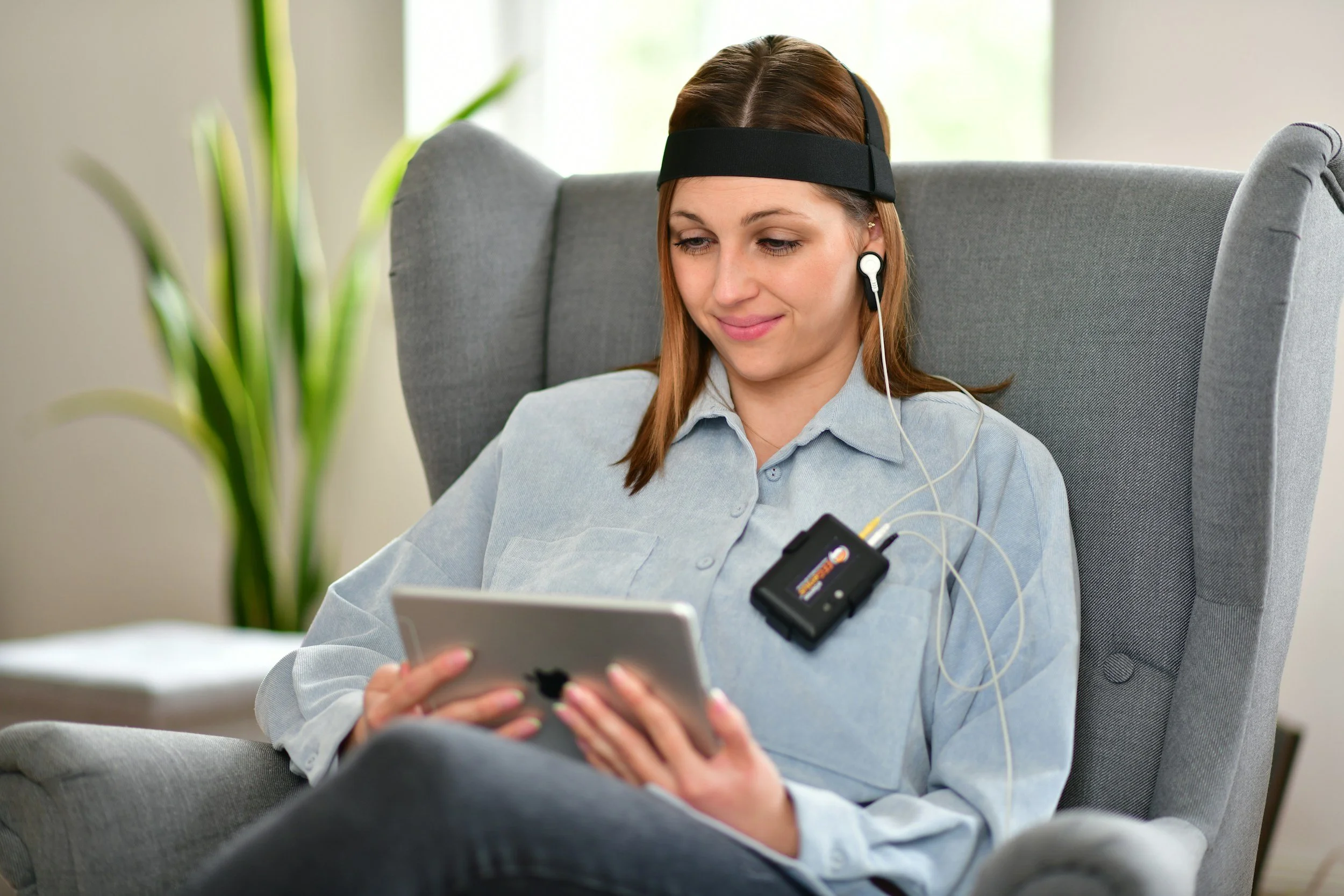
During sessions, a sensor is placed on the scalp to monitor brain activity in real time. Clients typically watch a movie, listen to music, or engage with visual feedback while the system responds to their brainwave activity.
The brain receives feedback throughout the session, helping it gradually build healthier and more efficient patterns over time. Sessions are non-invasive, painless, and often described as calming or relaxing.
-
![]()
4. Tracking Progress
Throughout treatment, progress is continually monitored. Sessions and protocols may be adjusted based on how the client is responding, helping ensure care remains personalized and effective.
Clients may notice improvements in areas such as emotional regulation, focus, sleep, stress recovery, and overall daily functioning.
-
![]()
5. Ongoing Support & Integration
At MCW, neurofeedback is integrated into a broader therapeutic approach when appropriate. Combining neurofeedback with counseling and other supports can help clients strengthen both emotional insight and nervous system regulation for more lasting growth and improvement.




Frequently Asked Questions
-
Yes! Same as our counseling services we are able to bill insurance for Neurofeedback sessions. The initial brain map we are unable to charge to insurance and is $375. Check our insurance page for more information about the insurances we accept.
-
Getting started is simple. Reach out through our contact form, email us, or give us a call. We’ll walk you through the next steps and answer any questions along the way.
-
A typical session is very relaxed and client-friendly.
We place sensors on the scalp (nothing goes into the body), and the client watches a movie/show or listens to music. The neurofeedback system monitors brain activity and provides feedback (rewards) in real time like, dimming the screen or adjusting sound, based on how the brain is functioning.
The brain naturally begins to adjust in response to that feedback. Most clients describe it as calming, and many even say it’s their favorite part of therapy.
-
Some clients notice subtle changes within the first few sessions, like improved sleep, feeling calmer, or better focus. For others, it’s more gradual.
Typically, we start seeing more consistent and meaningful changes around 10–20 sessions, depending on the individual.
Changes often look like:
Faster recovery from stress
Improved emotional control
Better sleep quality
Increased attention and mental clarity
Reduced reactivity
One of the most meaningful shifts is that clients often feel more in control of themselves. However, it can take others some time to notice any changes. Look for the small things and loved ones might see it first before the individual can “feel” the difference.