
Narrative Therapy: Moving Forward With Story and Art
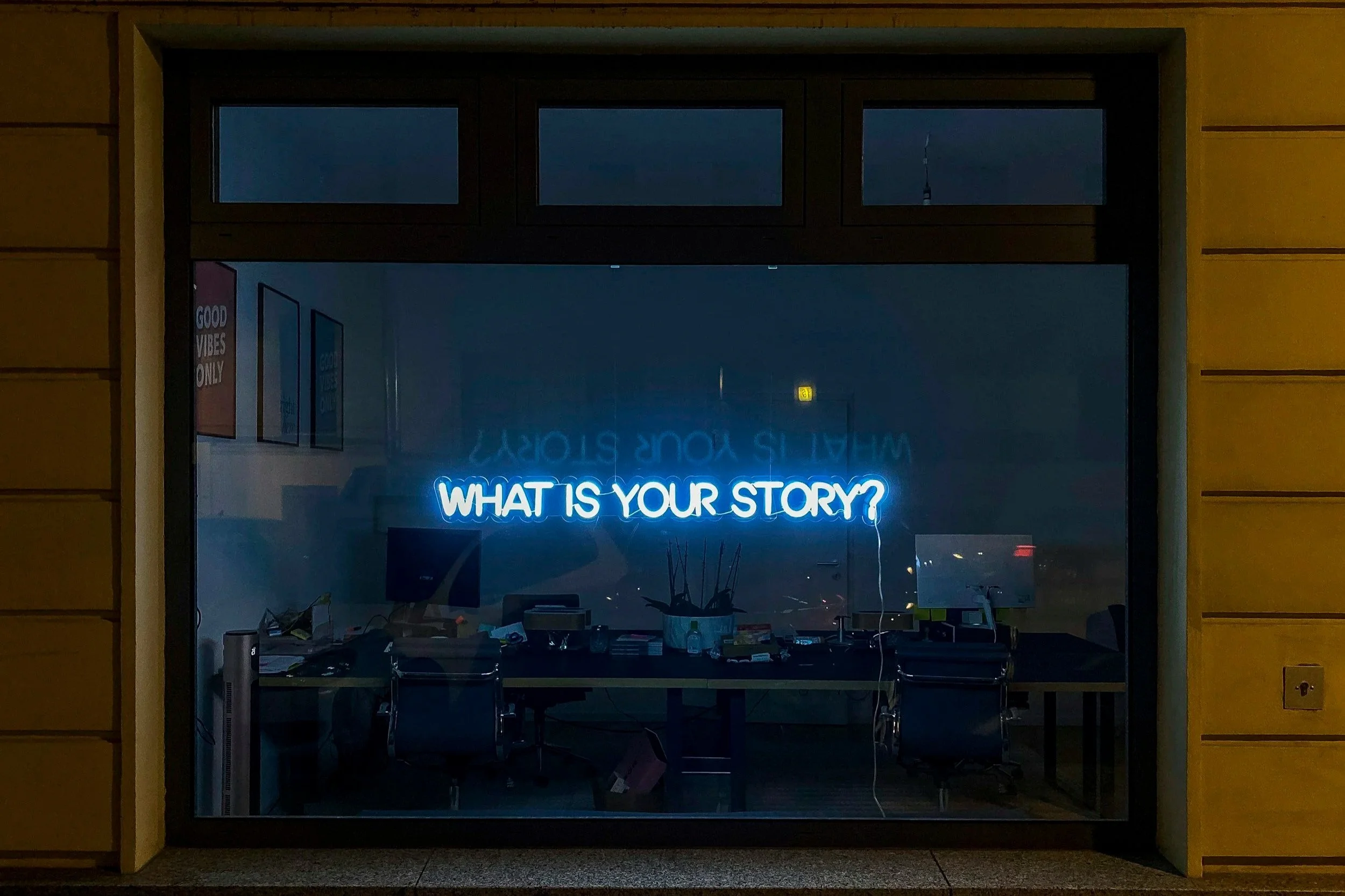
How scripts run our lives
Oftentimes we carry invisible scripts from family, past traumatic events, and environmental stress. It can feel like fatigue, dissociation, a lack of energy, or wanting to isolate. It can also feel like we’re living a life that doesn’t feel authentic. Art and writing help us to identify these scripts, observe how our life has currently been playing out, and begin to make intentional choices to change the scripts. This is especially helpful for breaking old patterns within families, creating better boundaries, and establishing improved relationships overall.
Why do we feel stuck?
In many cases what causes us to feel stuck in life is trauma stored in the body. Even if we don’t think we’ve experienced “big T” trauma, a long list of “small t” traumas can feel overwhelming and trigger a flight, flight, freeze or fawn response. In either case, when this happens, our ability to choose freely becomes compromised. Sometimes, releasing trauma can feel more manageable when we talk less and let our body respond. Writing, drawing, coloring, painting, and movement are gentle ways to release trauma, stress and fatigue without having to explain or justify
Why art?
Safety matters. Art creates safety when words can become triggers. Creative modalities are especially helpful for anyone who wants to experience therapy from a quieter perspective. Art may be helpful if we feel burned out or shut down emotionally. Art offers a symbolic way to reprocess difficult events.

Art creates safety when words can become triggers.
Narrative therapy
A type of art therapy called narrative therapy is helpful when we want to transform stories, heal old wounds, and reclaim agency. One of the main ways this happens in narrative therapy is through a technique called “externalization” where we separate ourselves from our problem. A common phrase used in narrative therapy is “I am not the problem. The problem is the problem”. Once we can create space between ourselves and our problem, it’s easier to imagine and then facilitate change.
How to use narrative therapy
A typical narrative therapy session could look like a therapist guiding a client into a conversation where an issue is brought up and then externalized. Once the client feels comfortable with the problem existing as a separate entity, it is easier to brainstorm different solutions that weren’t obvious before the conversation. The client and therapist can explore how this problem has affected their life, emphasizing the resilience that got the client through the problem. They can then begin reauthoring the parts of their life that incorporate strengths and values, while still working through the problem.
Documentation
Artifacts that are created through these sessions can include letters, drawings, certificates, storybooks, videos, and other writing pieces. Legacy work can include reauthored life stories that emphasize client dignity while creating lasting memories.
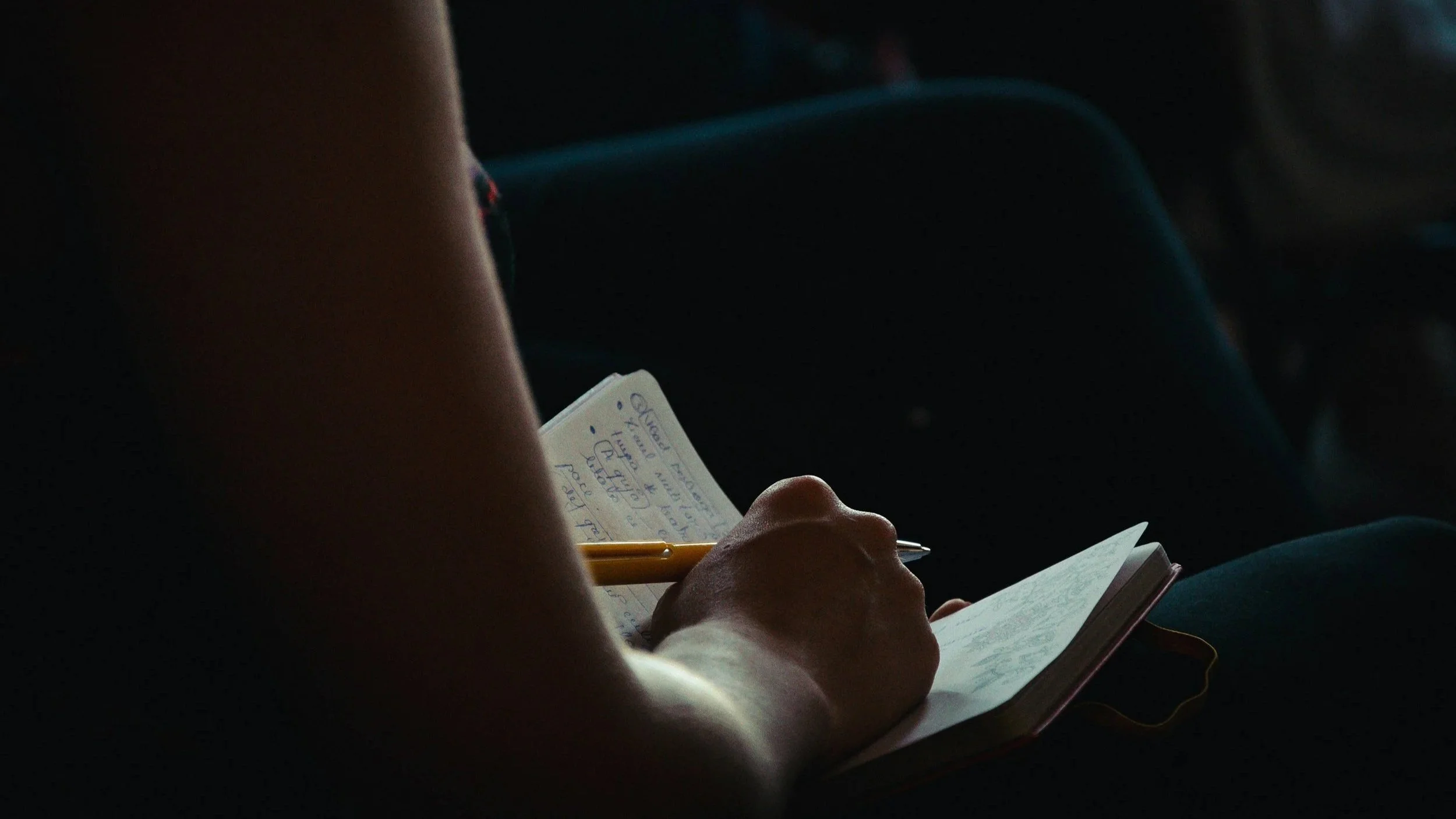
Narrative therapy is powerful and effective for individuals and groups!
Please contact Movement Counseling + Wellness to explore narrative therapy with your clinician!