Reducing the Stigma: Embracing Neurodiversity and Understanding Autism

What is stigma?
Stigma is any attribute that could be seen as undesirable and that discredits an individual, leading to the individual being viewed as less valuable than the rest of society.
Autism and Stigma in Today’s World
In today's world, there has been a lot of talk recently about the autism spectrum. I would like to discuss stigma today and help us all have a greater understanding and respect for those in our community who may deal with this diagnosis. First off, stigma within the autism community can come in many different forms. Micro-aggressions towards this community can also come in many different forms.
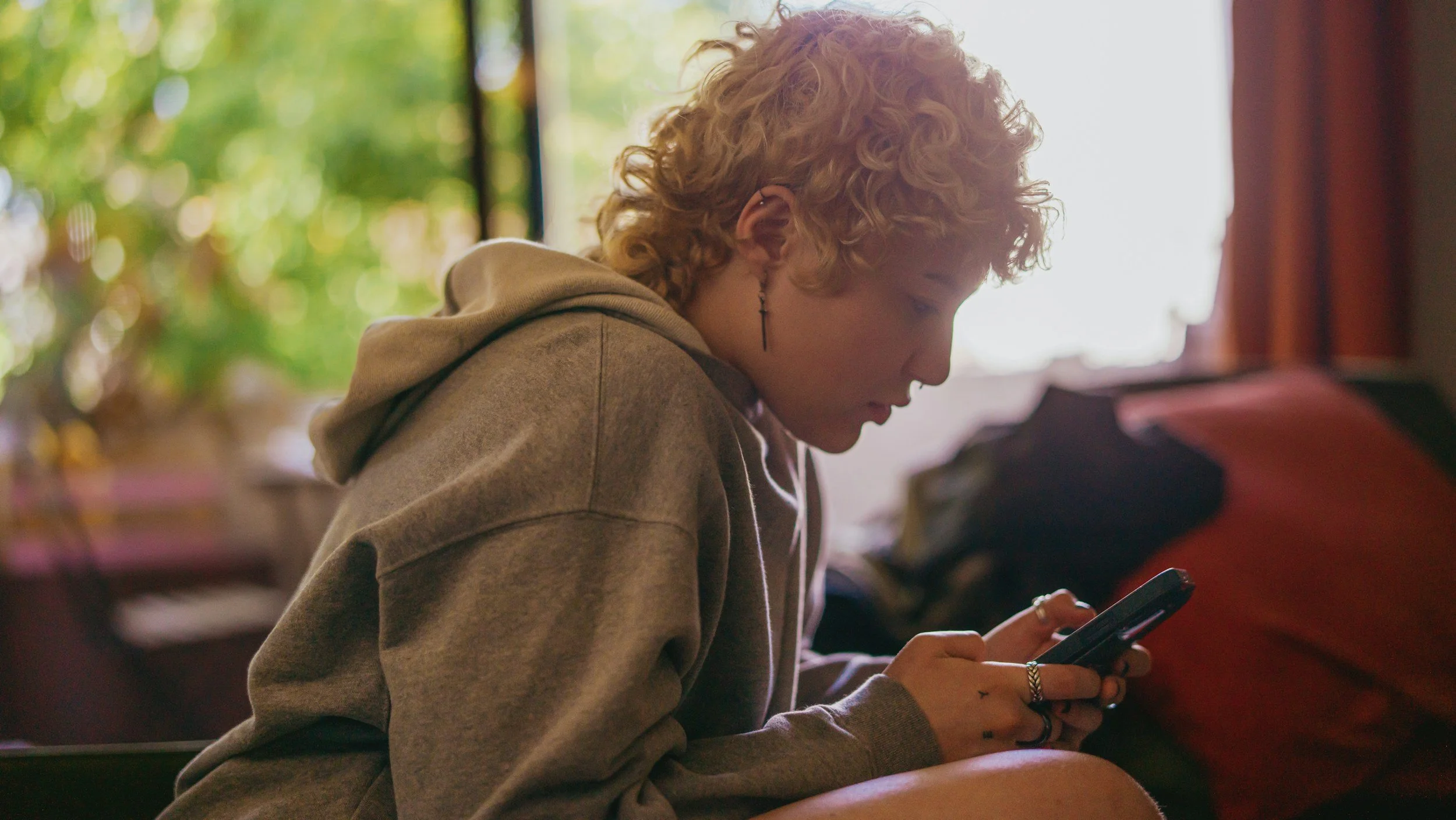
Many assumptions are made about people on the spectrum, things like:
“They must struggle a lot socially”
“They must struggle to hold a job”
“They must struggle to live alone”.
These are all stereotypes that while may be true for some on the autism spectrum, it is not all encompassing. Stigma comes about by us labeling each other as different and labeling the spectrum as something being “wrong”, “abnormal” or somehow less than.
The Impact of Stigma on Autistic Adults
Research has shown that adults on the spectrum are impacted by stigma that is present in society in many different ways. A key point being that their general well-being is typically rated lower in autistic adults. This is due to key stressors such as being victimized, discriminated against, being rejected, or not being socially accepted. These all result in a reduced quality of life.
A main factor within the social stigma for those on the spectrum is how others want or think they should behave. The reality is that there needs to be a greater understanding and acceptance of who they are as people, no matter how they interact with others or the world around them.

The Hidden Cost of Camouflaging
The way many people on the spectrum deal with their diagnosis is by camouflaging. Some people on the spectrum attempt to mask their traits and do their best to appear more “normal” or neurotypical. According to Jones, Langley, & Turnock (2022), camouflaging can be quite a taxing feat on those who are on the spectrum and therefore results in greater fatigue and worse mental health. They also may feel less seen, less understood, and not able to be who they truly are. This can result in many feelings, such as isolation and loneliness. The goal of using camouflaging is to avoid the stigma surrounding autism. It prevents having to engage with the negative aspects of others “discovering” the diagnosis, potentially treating them differently, or having their social space be impacted in some way.
Reducing Stigma: What We Can Do?
How can we reduce the stigma, and what can I do?
For one, we can include and treat those on the spectrum in the same way that we would anyone else. We treat them like we would want to be treated.
Another way is for society to have more friendly spaces for those that are on the spectrum. We as a society can choose to make spaces friendly for all at their conception rather than dealing with the issue when it arises later on (Jones, Langley, & Turnock, 2022, p.76-91).
Society can also continue to make pushes in media and literature to educate the general public. Things like documentaries and positive tv shows such as “Love on the Spectrum” can show the general public how capable, amazing and worthy of love and respect these individuals are.
We can use proper terminology, such as neurodiversity. These individuals are simply diverse in the way their brain operates and functions.
We can remove the us and them narrative and accept that the brain simply works and processes in a different way!
A Call for Kindness
Possibly the best way to reduce the stigma is by simply acknowledging that people on the spectrum are just as capable and just as valuable as anyone else. Just like meeting anyone else for the first time, it is important not to judge and to get to know the person for who they are, not just a diagnosis or a simple feature.
We can all make an effort to not judge others and to be as kind as we can be and as accommodating as we can be to those around us. The negative consequences from the stigma and the behaviors that arise from the stigma could all be helped by treating others the way we would like to be treated.
We all have features of ourselves that are unique, let's not judge each other for them and instead, celebrate our differences and help each other where we need help. We all need help and understanding from time to time, we must extend that kindness to our fellow human beings, no matter what their experience or diagnosis may be.
REFERENCES
Jones, C., Langley, K., & Turnock, A. (2022). Understanding Stigma in Autism: A Narrative Review and Theoretical Model. Autism Adulthood, 4(1), 76-91. DOI: 10.1089/aut.2021.0005