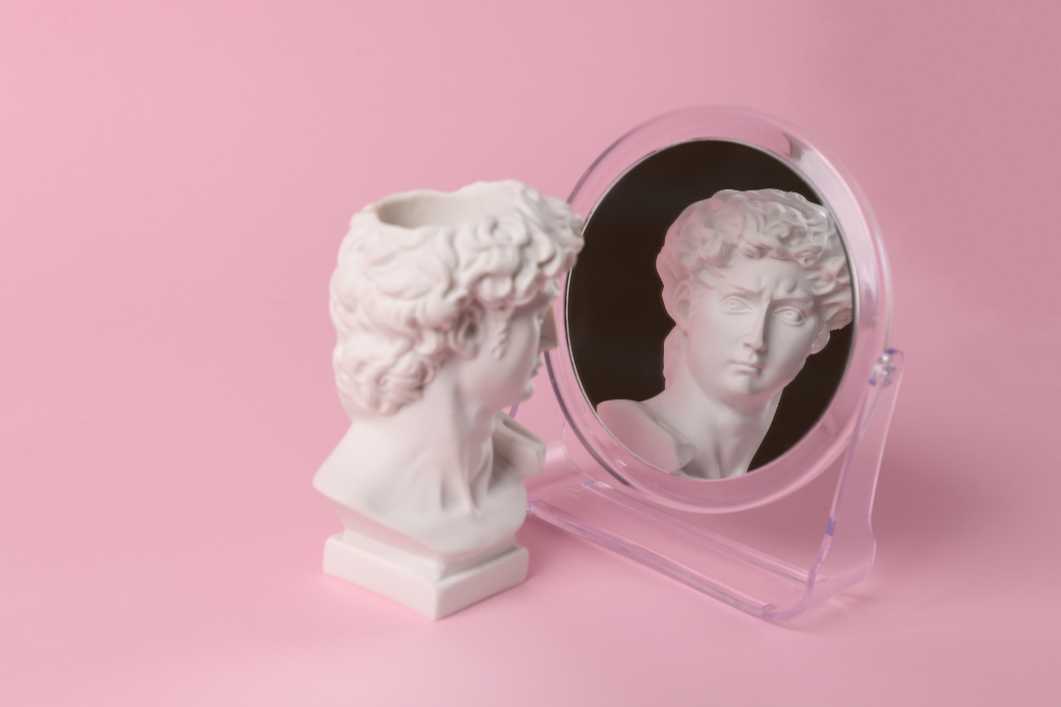
What does “being a narcissist” even mean anymore?
I’m sure we have all heard the term thrown around, maybe while discussing an ex. Or a boss who just doesn’t get it. “OMG, they did (fill in the blank), they are such a narcissist”.
Search “narcissist” on TikTok and see how many wronged individuals are sharing their stories about narcissistic abuse. Have they gone through something? Clearly. Are they the victims of someone with narcissistic personality disorder? Possibly. But who is doing the diagnosing?
Conflating a Human Trait With a Clinical Disorder
The reality is that society has begun to conflate a trait with a clinical diagnosis.
Let’s put it this way- what better insult is there to say to anyone? The label narcissist encompasses almost every trait we despise: self-absorbed, manipulative, conniving, inconsiderate, and demanding— to name just a few. It’s also a way to distance or dismiss someone whose actions you just may not like.
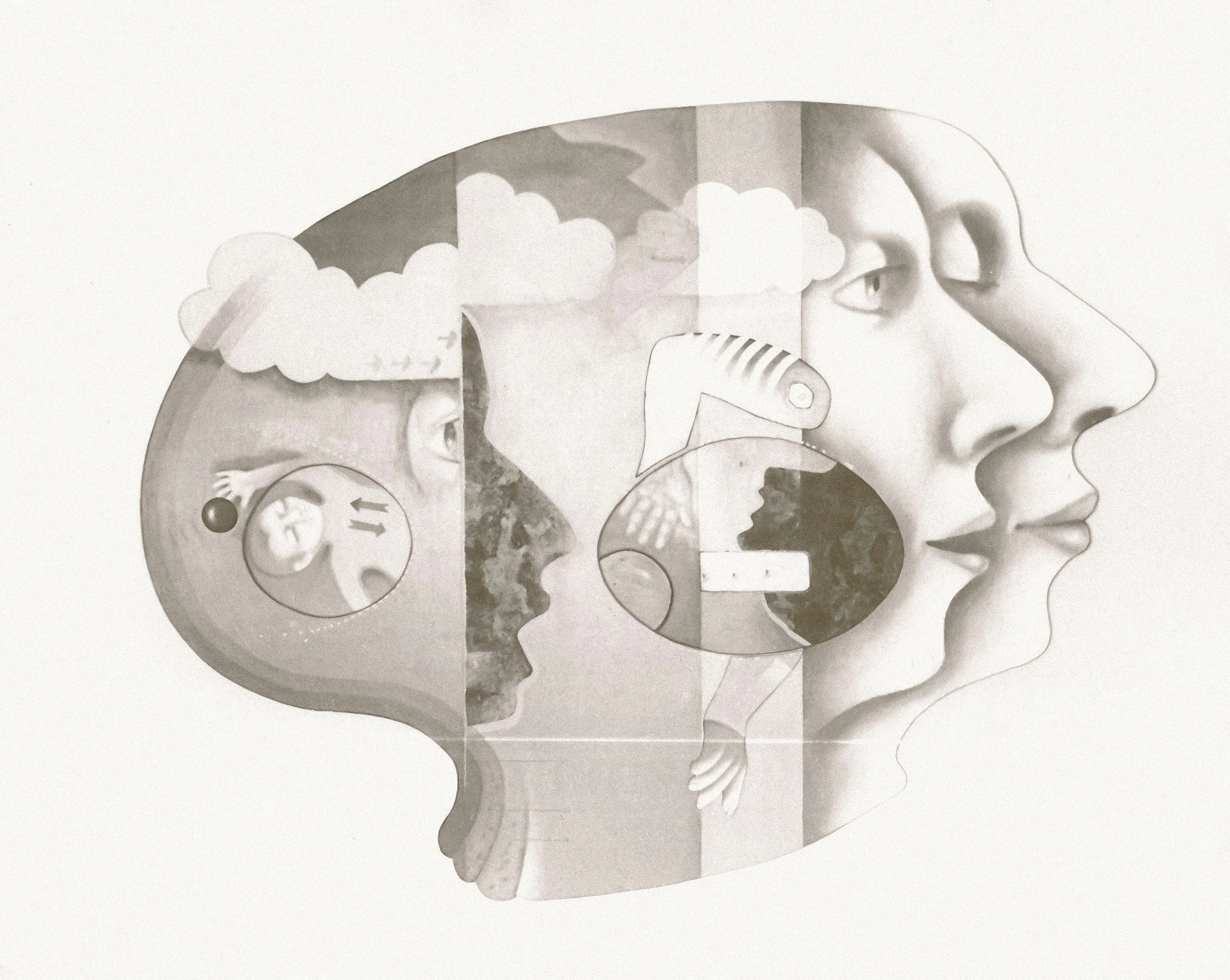
Unfortunately, all humans experience some time in their lives where they engage in narcissistic behavior. Toddlers and teenagers experience ego-centrism where they perceive the world as happening to them. People become assholes during divorces. Bad behavior doesn’t make someone a “narcissist”.
Intellectual Laxity and Content Creep
In the modern post-Covid TikTok-influenced world, we experience what has been coined “intellectual laxity”, the use of social media has increased the spread of misinformation, especially in the area of clinical diagnosis. Society is experiencing what is known as a “content creep” that spreads the diagnosis like an epidemic (Freestone et al., 2020). This is also true for other diagnoses; however, the focus on narcissistic personality disorder, or just “narcissism”, has become increasingly prevalent.
There is no way to know for sure how many people deal with Narcissistic Personality Disorder. Research estimates that approximately 1 to 6% of the population qualifies for the diagnosis (Nook et al., 2022). This “intellectual laxity” around the use of the term narcissist creates a stigma around those who may meet the criteria for the diagnosis. Just because someone may meet the criteria, does not mean they are a “bad person”. It means that they deal with a personality disorder most likely rooted in childhood trauma, genetics, and poor self-esteem.
“The conflation of technological and social change with clinical pathology represents a form of intellectual laxity: the use of clinical language such as narcissism to depict this concern in the public gaze is lazy and intellectually misguided.”
Why TikTok Isn’t the DSM-5
As clinicians, we receive extensive training on diagnosis. We learn from the minute that we step into our graduate-level diagnosis and assessment class that we cannot diagnose someone we have not treated. This class teaches us how to responsibly use the big blue book of diagnoses (aka the present day DSM 5-TR). However, this epidemic of TikTok diagnosis has created the illusion that, yes, anyone can diagnose anyone with anything based on how you feel about them at the moment.
And unfortunately, there may not be a definitive diagnosis for someone who is just a sucky person.
Want to learn more?
https://www.youtube.com/watch?v=8wosV3E7ZEE
Freestone, M., Osman, M., & Ibrahim, Y. (2020). On the uses and abuses of narcissism as a public health issue. The British Journal of Psychiatry, 220, 54-57. https://doi.org/10.1192/bjp.2020.70
Nook, E. C., Jaroszewski, A. C., Finch, E. F., & Choi-Kain, L. W. (2022). A Cognitive-Behavioral Formulation of Narcissistic Self-Esteem Dysregulation. Focus, 20, 378-388. https://doi.org/10.1176/appi.focus.20220055
O'Reilly, C. A., & Hall, N. (2021). Grandiose narcissists and decision making: Impulsive, overconfident, and skeptical of experts–but seldom in doubt. Personality and Individual Differences, 168, 110280. https://doi.org/10.1016/j.paid.2020.110280
Pincus, A. L., Ansell, E. B., Pimentel, C. A., et al. (2009). Initial construction and validation of the Pathological Narcissism Inventory. Psychological Assessment, 21, 365-379. https://doi.org/10.1037/a0016530